
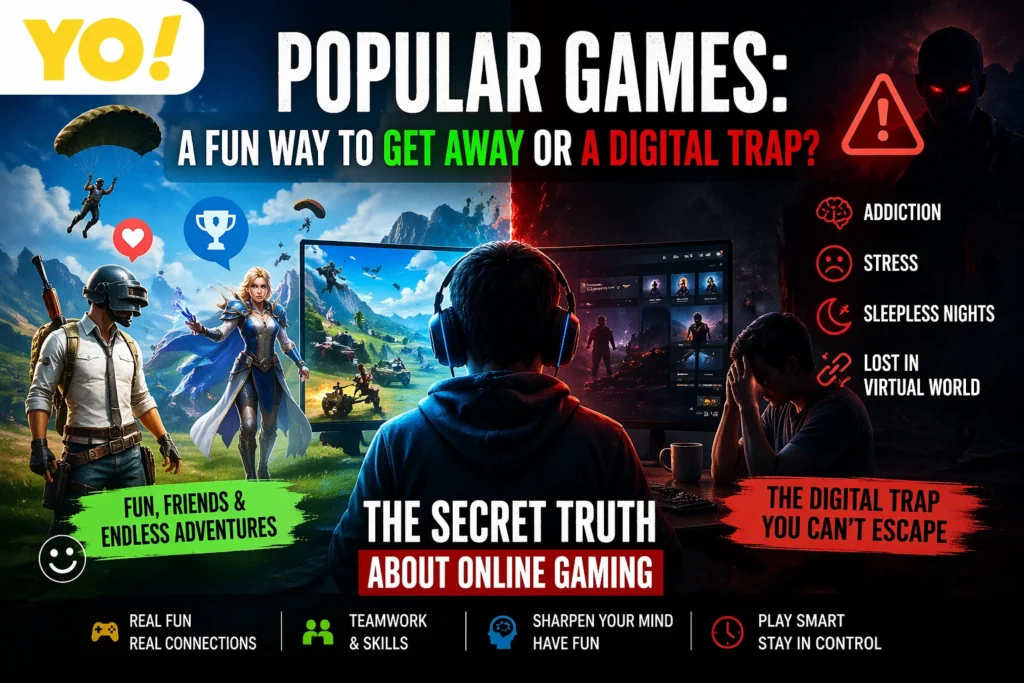
Introduction: The Explosive Rise of Popular Games in the Online Gaming World
The phenomenon of popular games has taken the digital world by storm, transforming the way people play, interact, and even think. What was once considered a casual pastime has now become a global cultural force, influencing millions of players across different age groups and backgrounds. From competitive multiplayer battles to immersive storytelling adventures, popular games have redefined entertainment in the online gaming space.
With the rapid growth of internet accessibility and advanced technology, online gaming is no longer limited to a specific community. Smartphones, consoles, and PCs have made popular games easily accessible to anyone, anywhere. This widespread availability has fueled their popularity, turning games into daily habits rather than occasional развлечения.
However, the rise of popular games is not just about fun and excitement. It brings with it a complex mix of opportunities and challenges. On one hand, these games offer stress relief, social interaction, and even career opportunities through streaming and esports. On the other hand, they raise concerns about addiction, mental health, and excessive screen time.
As the online gaming world continues to evolve, understanding the true impact of popular games becomes more important than ever. This article dives deep into their growing influence, uncovering both the thrilling advantages and the hidden risks that come with this digital revolution.
The Evolution of Popular Games: From Pixels to Virtual Worlds
The journey of popular games is a story of rapid transformation and innovation. In the early days, games were simple, limited by technology, and often played solo. Basic graphics, repetitive mechanics, and minimal storytelling defined the gaming experience. Yet, even in those early stages, the foundation of engagement and competition was being built.
As technology advanced, so did the complexity of popular games. The introduction of 3D graphics, powerful processors, and online connectivity changed everything. Games were no longer confined to a single device or player. Multiplayer modes allowed users to compete and collaborate with others across the globe, marking the true beginning of the online gaming revolution.
The rise of high-speed internet played a crucial role in shaping modern popular games. Real-time interactions, live events, and global leaderboards became standard features. Developers began focusing not just on gameplay, but on creating entire ecosystems where players could live out virtual experiences. This shift turned games into long-term platforms rather than one-time products.
Another major turning point was the emergence of mobile gaming. Smartphones made popular games more accessible than ever before. People no longer needed expensive consoles or gaming PCs; they could play anytime, anywhere. This convenience expanded the gaming audience dramatically, bringing in casual players alongside dedicated gamers.
Today, popular games are more than just entertainment—they are immersive virtual worlds. Advanced technologies like virtual reality (VR) and augmented reality (AR) are pushing boundaries further, offering experiences that feel incredibly real. Players can explore vast open worlds, customize characters, and interact in ways that were once unimaginable.
This evolution highlights one key truth: popular games are constantly adapting. They grow with technology, respond to player demands, and continue to redefine what it means to play. And as innovation continues, the future of online gaming promises even more groundbreaking changes.
Why Popular Games Attract Millions of Players Worldwide
The massive success of popular games is not just a coincidence—it is the result of carefully designed experiences that appeal to human psychology, emotions, and social needs. These games are built to engage players deeply, making them return again and again.
One of the biggest reasons behind their popularity is the sense of achievement they provide. Players are constantly given goals—whether it’s leveling up, unlocking rewards, or winning matches. Each small victory creates a feeling of progress, which keeps players motivated. This continuous reward system makes popular games highly engaging and difficult to step away from.
Another powerful factor is competition. Many popular games thrive on competitive gameplay, where players test their skills against others. Rankings, leaderboards, and tournaments create a strong desire to improve and win. This competitive spirit not only drives engagement but also builds a loyal player base.
Social interaction also plays a major role. Online gaming allows players to connect with friends or meet new people from around the world. Team-based games encourage communication and collaboration, creating a sense of belonging. For many players, popular games are not just about playing—they are about being part of a community.
Customization and creativity further enhance the appeal. Players can personalize their characters, build unique worlds, or design strategies that reflect their style. This freedom adds a personal touch, making the gaming experience more meaningful.
Additionally, regular updates and new content keep games fresh. Developers introduce new features, events, and challenges to maintain interest. This constant evolution ensures that players always have something new to explore.
In essence, popular games attract millions because they combine entertainment, competition, and social connection into one powerful experience. They are designed not just to be played, but to be lived—making them a central part of modern digital life.
The Positive Side of Popular Games: More Than Just Entertainment
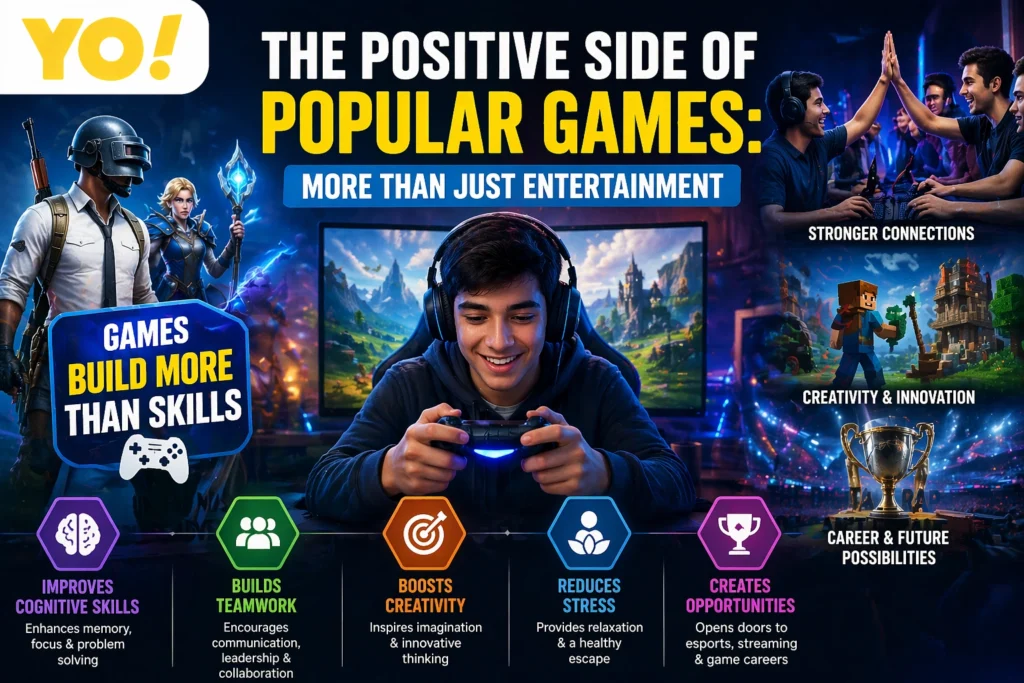
While popular games are often criticized for their addictive nature, they also offer a wide range of benefits that are frequently overlooked. When played in moderation, these games can contribute positively to mental development, social skills, and even career growth.
One of the most significant advantages is the improvement of cognitive abilities. Many popular games require players to think critically, make quick decisions, and solve complex problems. Strategy-based and multiplayer games, in particular, enhance analytical thinking and improve focus. Players learn how to assess situations, plan ahead, and adapt to unexpected challenges—skills that are valuable in real life.
Another important benefit is the development of coordination and reflexes. Fast-paced games demand precise movements and quick reactions. This improves hand-eye coordination and enhances motor skills, especially in younger players. Over time, players become more alert and responsive, which can be beneficial beyond gaming.
Popular games also play a major role in building social connections. Online multiplayer platforms allow players to communicate, collaborate, and form friendships with people from different parts of the world. This global interaction helps improve communication skills and fosters teamwork. For individuals who may struggle with face-to-face interaction, gaming can provide a comfortable space to connect with others.
In addition to social benefits, popular games can serve as a powerful stress reliever. After a long day, many players turn to gaming as a way to relax and escape from daily pressures. Immersive environments and engaging gameplay offer a temporary break from reality, helping to reduce stress and improve mood.
The rise of the gaming industry has also opened up new career opportunities. Professional gaming, live streaming, and content creation have become viable professions. Skilled players can participate in esports tournaments, build audiences online, and even earn substantial income. What was once considered just a hobby has now become a serious career path for many.
Ultimately, the positive side of popular games lies in how they are used. When approached responsibly, they can be more than just a source of entertainment—they can be tools for learning, connection, and personal growth.
The Dark Reality of Popular Games: Addiction, Risks, and Hidden Consequences
Despite the many advantages, the world of popular games also carries a darker side that cannot be ignored. What begins as harmless entertainment can धीरे-धीरे turn into a serious issue when boundaries are crossed. The same elements that make these games engaging can also make them dangerously addictive.
One of the most concerning problems is gaming addiction. Popular games are designed to keep players engaged for long periods through rewards, challenges, and continuous progression. This can lead to excessive screen time, where players lose track of hours and neglect important responsibilities such as studies, work, and personal relationships. Over time, this habit can become difficult to control.
Mental health is another critical issue. Constant exposure to competitive environments can create stress, frustration, and anxiety. Losing repeatedly or facing pressure to perform better can affect a player’s confidence. In some cases, excessive gaming has been linked to feelings of isolation and even depression, especially when real-life interactions are replaced by virtual ones.
Financial risks are also a growing concern in popular games. Many online games follow a “free-to-play” model but include in-game purchases. Players are often encouraged to spend money on skins, upgrades, or special features. Without proper control, this can lead to overspending, particularly among younger audiences who may not fully understand the value of money.
Another hidden issue is the toxic environment found in some gaming communities. Competitive games can sometimes bring out negative behavior such as harassment, bullying, and abusive language. This not only ruins the gaming experience but can also have a lasting emotional impact on players.
Physical health is affected as well. Long gaming sessions often lead to a sedentary lifestyle, causing problems like eye strain, poor posture, and lack of physical activity. These issues may seem minor at first but can become serious over time.
The dark reality of popular games lies in their ability to blur the line between fun and dependency. While they offer excitement and engagement, they also demand awareness and self-control. Without balance, what is meant to entertain can slowly start to harm.
The Psychology Behind Popular Games: Why Players Keep Coming Back
To truly understand the success of popular games, it’s important to look beyond graphics and gameplay and dive into the psychology that drives player behavior. These games are not just built for fun—they are carefully designed to keep users engaged, often for longer than they initially intend.
At the core of this engagement is the brain’s reward system. Every time a player wins a match, unlocks an achievement, or gains a reward, the brain releases dopamine—a chemical associated with pleasure and satisfaction. This creates a cycle where players continuously seek that rewarding feeling, encouraging them to keep playing. Over time, this loop can become habit-forming.
Another psychological factor is the concept of progression. Popular games are structured in a way that always gives players something to work toward. Whether it’s leveling up, unlocking new characters, or reaching a higher rank, there is always a goal ahead. This constant sense of progress keeps players motivated and invested in the game.
The fear of missing out (FOMO) also plays a powerful role. Limited-time events, seasonal rewards, and exclusive items create urgency. Players feel pressured to log in regularly so they don’t miss valuable opportunities. This tactic ensures consistent engagement and builds a routine around gaming.
Social validation is another key element. In many popular games, players gain recognition through rankings, achievements, or rare items. Being admired by peers or teammates boosts self-esteem and encourages continued participation. Multiplayer environments amplify this effect, as players compare their performance with others.
Additionally, unpredictability keeps the experience exciting. Random rewards, loot systems, and unexpected outcomes trigger curiosity and anticipation. This uncertainty makes the game feel fresh every time, preventing boredom.
All these psychological elements work together to make popular games incredibly compelling. They are not just games—they are experiences engineered to capture attention, influence behavior, and create lasting engagement. Understanding this helps players become more aware of their gaming habits and maintain better control over their time.
Popular Games and Youth Culture: A Digital Lifestyle Shift
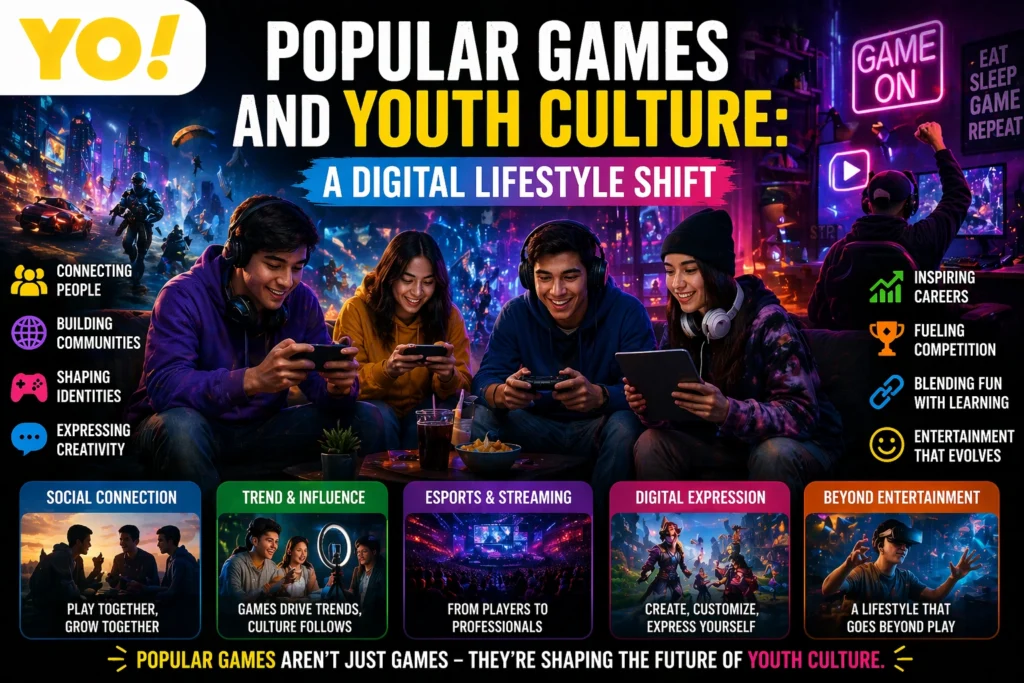
The influence of popular games on today’s youth goes far beyond entertainment—it has become a defining part of modern digital culture. For many young players, gaming is not just a hobby; it is a daily routine, a social platform, and even a form of identity.
One of the most noticeable changes is how young people interact with each other. Instead of traditional face-to-face communication, many now connect through online games. Voice chats, team missions, and multiplayer modes have replaced playground conversations for a large number of teenagers. Friendships are formed and maintained within virtual environments, often crossing geographical boundaries.
Popular games have also started shaping language and communication styles. Gaming slang, abbreviations, and in-game expressions have become part of everyday conversations. Terms like “level up,” “noob,” or “GG” are now commonly used even outside gaming contexts. This cultural shift highlights how deeply gaming is embedded in youth lifestyles.
Another major impact is on time management and daily routines. Many young players spend hours engaged in gaming sessions, sometimes prioritizing games over studies, sleep, or physical activities. While moderate gaming can be harmless, excessive involvement may disrupt academic performance and overall well-being.
On the positive side, popular games encourage teamwork and collaboration. Multiplayer games require coordination, strategy, and communication, helping young players develop these essential skills. Some games even promote creativity through building, designing, and problem-solving tasks.
However, there is also a growing concern about dependency. As games become more immersive and socially engaging, it becomes harder for young players to disconnect. The line between real life and virtual life can blur, leading to over-reliance on gaming for entertainment and emotional satisfaction.
Parents and educators play a crucial role in guiding this digital lifestyle. Instead of completely restricting gaming, a balanced approach is more effective. Encouraging healthy habits, setting time limits, and promoting offline activities can help maintain equilibrium.
In many ways, popular games are reshaping youth culture—bringing both opportunities and challenges. The key lies in understanding this shift and ensuring that gaming remains a positive influence rather than a dominating force.
The Future of Popular Games: Innovation, Opportunities, and Uncertainty
The journey of popular games is far from over—in fact, it is only accelerating. As technology continues to evolve, the future of online gaming promises experiences that are more immersive, interactive, and personalized than ever before. However, along with innovation comes a new set of challenges that will shape the next phase of this digital revolution.
One of the most exciting developments is the rise of virtual reality (VR) and augmented reality (AR). These technologies are pushing popular games beyond screens, allowing players to step inside virtual worlds and interact with them in real time. Gaming is no longer just something you play—it’s something you experience. As hardware becomes more affordable, these immersive experiences are expected to become mainstream.
Artificial intelligence (AI) is also transforming how games are designed and played. Smarter non-player characters (NPCs), adaptive difficulty levels, and personalized gameplay are making games more dynamic. AI can analyze player behavior and adjust the experience accordingly, making each session unique. This level of customization will redefine engagement in popular games.
Another major trend is the concept of interconnected virtual spaces, often referred to as the “metaverse.” In this evolving environment, games are not isolated experiences but part of a larger digital universe where players can socialize, work, and create. Popular games are gradually becoming platforms rather than standalone products.
Cloud gaming is further expanding accessibility. Players no longer need high-end devices to enjoy advanced games. With internet-based streaming, games can be played on almost any device, removing hardware limitations and opening the door to a wider audience.
However, the future also raises important concerns. Issues like data privacy, digital addiction, and ethical monetization will become even more critical. As games become more immersive, the risk of over-dependence may increase. Developers and regulators will need to find ways to balance innovation with user well-being.
The future of popular games is a mix of excitement and uncertainty. It holds the potential to revolutionize entertainment, education, and social interaction. But at the same time, it demands awareness, responsibility, and thoughtful development.
In the end, popular games will continue to grow—but how they shape our lives will depend on how wisely we choose to engage with them.
Conclusion: Popular Games—Power, Passion, and the Need for Balance
The world of popular games stands at a fascinating crossroads where entertainment, technology, and human behavior intersect. What began as a simple form of digital fun has grown into a powerful global phenomenon that influences how people think, interact, and spend their time. From immersive experiences and social connectivity to career opportunities and cognitive benefits, popular games have undeniably transformed modern life.
At the same time, their darker aspects cannot be overlooked. Issues like addiction, mental health challenges, financial spending, and toxic environments highlight the risks that come with uncontrolled gaming habits. The very elements that make these games exciting—competition, rewards, and constant engagement—can also make them difficult to step away from.
The reality is that popular games are neither purely beneficial nor entirely harmful. Their impact depends largely on how they are used. When approached with awareness and moderation, they can be a source of relaxation, learning, and connection. However, without boundaries, they can quickly turn into a distraction that affects both personal and professional life.
For players, the key is self-control—setting limits, prioritizing responsibilities, and maintaining a healthy balance between virtual and real-world activities. For parents and educators, guidance and understanding are essential in helping younger audiences navigate this digital space responsibly. And for developers, there is a growing responsibility to create engaging experiences without exploiting user behavior.
As the online gaming world continues to evolve, one thing remains clear: popular games are here to stay. The challenge is not to avoid them, but to engage with them wisely. In doing so, players can enjoy the thrill and benefits of gaming while staying grounded in reality.
In the end, the true power of popular games lies not in the screen—but in the choices we make while playing them.
Frequently Asked Questions (FAQs) About Popular Games
1. What are popular games in online gaming?
Popular games are widely played online games that attract millions of players worldwide. These include multiplayer, battle royale, strategy, and role-playing games that are trending due to their engaging gameplay and social features.
2. Why are popular games so addictive?
Popular games are designed with reward systems, achievements, and competitive elements that keep players engaged. Features like leveling up, unlocking rewards, and social interaction make players return frequently.
3. Are popular games good or bad for players?
Popular games can be both beneficial and harmful. They improve cognitive skills, teamwork, and stress relief, but excessive gaming can lead to addiction, mental health issues, and reduced productivity.
4. How can I play popular games safely?
To enjoy popular games responsibly, set time limits, avoid overspending on in-game purchases, take regular breaks, and maintain a balance between gaming and real-life activities.
5. Can I earn money from popular games?
Yes, many players earn money through esports, live streaming, and content creation. Platforms like Dream11 also offer opportunities to participate in fantasy gaming—explore more at dream11global.
6. What is the future of popular games?
The future of popular games includes advancements in VR, AR, AI, and cloud gaming. These technologies will make games more immersive and accessible, shaping the next generation of online gaming experiences.
7. Where can I explore more content about popular games?
You can read more detailed articles, guides, and updates on popular games by visiting yobookonline for in-depth gaming insights and trends.